Aluminium Sliding Doors vs. Wooden and Timber

Author: John Collins - Managing Director
Share:


Sliding doors are a popular choice for UK homes, particularly for patios, gardens, and open-plan extensions where maximising light and space is a priority. Among the many materials available, aluminium and wooden sliding doors are the most commonly compared. Each has its own strengths depending on your budget, design preferences, and long-term expectations.
This guide explores aluminium sliding doors versus wooden and timber alternatives in detail, helping you decide which material best suits your home.
In this guide:
- Are Aluminium Sliding Doors Better Than Wooden Doors?
Discover whether aluminium or wooden sliding doors are the best choice for you
- What Factors Affect the Lifespan of Wooden and Aluminium Sliding Doors?
As well as natural material regression, there are other external factors to consider
- Which Option Requires Less Maintenance: Aluminium or Timber?
If maintenance is a concern, here are some important factors to be aware of
- What Design Options are Available for Wooden and Aluminium Sliding Doors?
Consider these design options before making your decision
- Frequently Asked Questions
We answer some common queries
Are Aluminium Sliding Doors Better Than Wooden Doors?
Whether aluminium sliding doors are “better” than wooden ones depends on what you value most: durability, aesthetics, maintenance, or cost.
|
Feature |
Aluminium Sliding Doors |
Wooden / Timber Sliding Doors |
|
Durability |
Extremely durable; resistant to warping, rot, and corrosion |
Durable but vulnerable to moisture, rot, and movement over time |
|
Maintenance |
Very low; occasional cleaning only |
Moderate to high; requires painting or staining |
|
Aesthetics |
Sleek, modern, minimalist |
Warm, natural, traditional or contemporary |
|
Frame Thickness |
Slim frames allow larger glass panels |
Thicker frames reduce visible glass area |
|
Energy Efficiency |
High with modern thermal breaks |
Naturally insulating |
|
Lifespan |
30–45 years or more |
20–40 years depending on care |
|
Customisation |
Wide range of colours and finishes |
Highly customisable in shape and finish |
|
Environmental Impact |
Highly recyclable |
Renewable material if responsibly sourced |
|
Cost |
Mid to high |
Mid to high (often higher for hardwoods) |
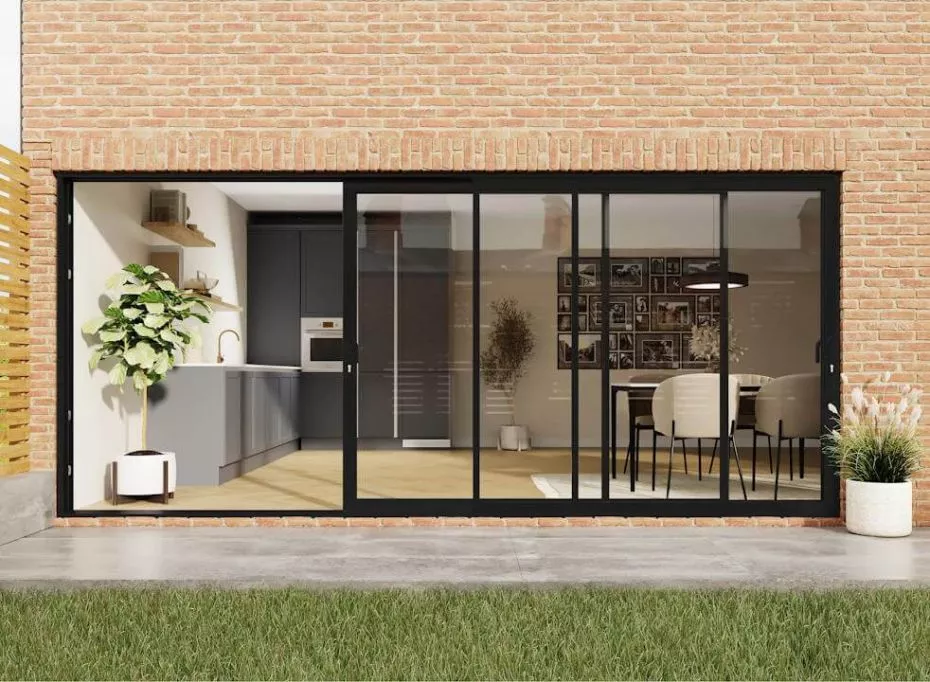
Our Supreme range of sliding patio doors come in a range of different finishes and sizes, perfect for customising to suit your needs.
What Factors Affect the Lifespan of Wooden and Aluminium Sliding Doors?
The lifespan of sliding doors is influenced by several factors, not just the frame material. To make a more informed decision and extend the life of your investment, consider these factors before making your choice:
-
Climate and Exposure: in the UK’s damp and often unpredictable climate, wooden doors are more susceptible to warping and rot if not properly protected. Coastal locations can increase wear, especially where salt air is present. Aluminium, by contrast, is highly resistant to moisture and corrosion, making it ideal for exposed or coastal areas.
-
Quality of Materials: not all aluminium or timber doors are equal. High-quality aluminium systems use advanced powder coatings and thermal breaks, while premium timber doors rely on slow-grown hardwoods or engineered wood for stability. Cheaper materials often result in a shorter lifespan regardless of type.
-
Manufacturing and Installation: precision manufacturing and professional installation are critical. Poor alignment, inadequate drainage, or substandard seals can shorten the lifespan of both wooden and aluminium sliding doors.
-
Maintenance Routine: wooden doors can last decades if regularly maintained, but neglected timber deteriorates quickly. Aluminium doors are far more forgiving, retaining their structure and appearance with minimal upkeep.
-
Usage Patterns: frequently used patio doors experience more wear on tracks, rollers, and seals. Aluminium systems typically handle heavy use better due to their strength and rigidity.
Which Option Requires Less Maintenance: Aluminium or Timber?
Aluminium sliding doors are the clear winner when it comes to low maintenance.
Aluminium Sliding Doors
-
Require only occasional cleaning with soapy water
-
Powder-coated finishes resist fading and peeling
-
Do not warp, rot, or need repainting
-
Hardware components are long-lasting and robust
Wooden and Timber Sliding Doors
-
Need regular painting, staining, or oiling (typically every 3–5 years)
-
Vulnerable to moisture if coatings fail
-
May require repairs to address cracks or rot
-
Ongoing care is essential to preserve appearance and performance
For homeowners seeking a long-lasting, stylish entryway to their home, aluminium sliding doors are significantly more convenient. Timber doors suit those who enjoy the upkeep or value the aesthetic enough to justify the effort.
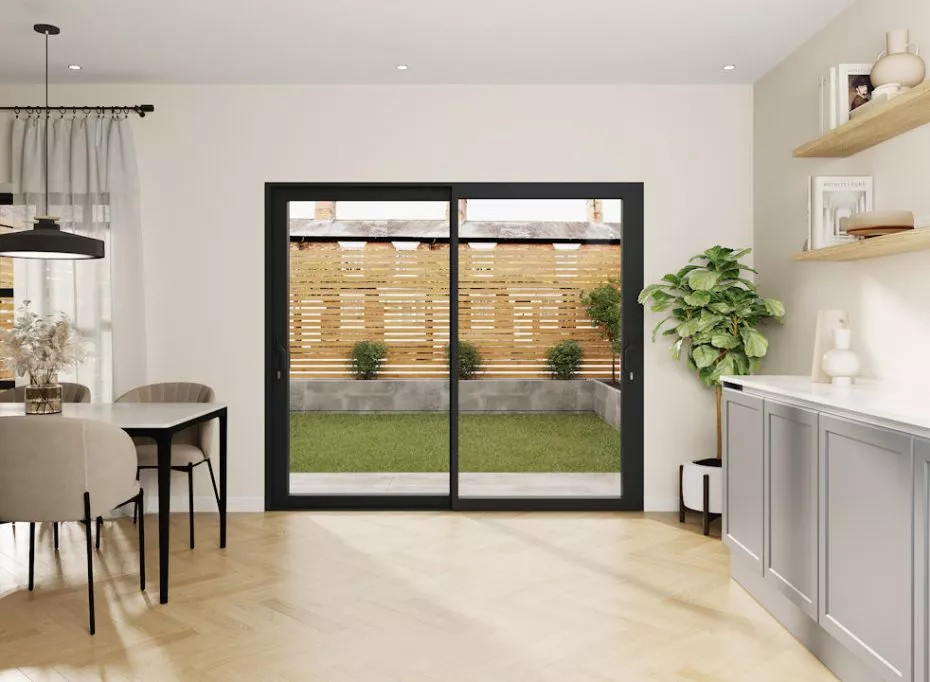
For slimmer frames and more expansive views, our COR vision aluminium sliding doors are the obvious choice, with a robust locking system and thermal breaks for the most stylish, practical choice in your home.
What Design Options are Available for Wooden and Aluminium Sliding Doors?
Both materials offer extensive design flexibility, though they differ in how that flexibility is achieved.
Aluminium Sliding Door Design Options
-
Ultra-slim frames for maximum glass and light (our COR Vision ultra-slim aluminium patio doors are the perfect option, with uninterrupted views and a seamless transition from outdoor to indoor).
-
Large panels suitable for wide openings
-
Contemporary colours, including anthracite grey, black, and white
-
Dual-colour options (different colours inside and out)
-
Modern architectural styling ideal for extensions and new builds
Aluminium is especially popular in minimalist and modern homes, where clean lines and expansive glazing are key design features.
Wooden and Timber Sliding Door Design Options
-
Natural grain patterns for a unique appearance
-
Choice of softwood, hardwood, or engineered timber
-
Traditional or heritage designs for period properties
-
Painted, stained, or varnished finishes
-
Custom shapes and detailing
Timber doors offer a tactile, organic feel that aluminium cannot replicate, making them a favourite for cottages, listed buildings, and character homes.
Frequently Asked Questions
What are the Main Differences Between Wooden and Aluminium Sliding Doors?
The main differences lie in durability, maintenance, and appearance. Aluminium doors are stronger, require less upkeep, and suit modern designs, while wooden doors offer natural beauty, warmth, and traditional appeal but need more regular maintenance.
Are Wooden or Aluminium Doors Better for Patio Doors?
Aluminium doors are generally better for patio doors due to their slim frames, ability to support large glass panels, and resistance to weather. Wooden doors can work well for patios in sheltered locations or where a traditional aesthetic is desired.
How Does the Price of Aluminium Sliding Doors Compare to Wooden?
Prices are often comparable, though aluminium doors may be slightly more affordable than high-end hardwood options. Over time, aluminium can be more cost-effective due to lower maintenance and longer lifespan.
Are Engineered Wooden Doors a Good Alternative to Aluminium?
Yes, engineered wooden doors are a strong alternative. They offer the appearance of solid timber with improved stability and reduced risk of warping. However, they still require more maintenance than aluminium.
Which Material is More Energy Efficient for Patio Doors: Wood or Aluminium?
Both can be highly energy efficient. Wood is naturally insulating, while aluminium doors rely on thermal breaks and high-performance glazing. With modern systems, the difference in energy efficiency is usually minimal.
Related Content
About John Collins
John has built Vufold into a unique online door and window company and has spent 20 years bringing innovative products and designs to fruition, recognising niches in the market and placing them in the likes of Wickes and Travis Perkins, he started Vufold in order to sell them directly. John founded Vufold and has amassed a wealth of experience in product design and development, and in particular timber-based products
Read more about John Collins