uPVC vs. Aluminium Sliding Doors

Author: John Collins - Managing Director
Share:


Sliding doors do more than just create a seamless transition between your indoor and outdoor space; they introduce more natural light into your home, as well as keep it warm during the winter and improve its overall style. Which material you choose can depend on a number of factors, such as your personal preferences and budget.
Explore our guide below to choose between uPVC and aluminium sliding doors.
In this guide:
Discover the main features of both uPVC and aluminium sliding doors
Find out more about how uPVC sliding doors compare to aluminium variations
If your home has a traditional or modern aesthetic, here are the sliding door options that could suit you
If you’re looking for doors that last, consider durable options like aluminium sliding doors
We answer some common queries
Understanding uPVC and Aluminium Sliding Doors: Main Properties
uPVC and aluminium sliding doors are two of the most popular choices for modern homes, each offering particular features that suit different budgets and design preferences. Understanding their main properties can help you decide which option is right for your space.
uPVC sliding doors are often chosen for their practicality and value. Key properties include:
-
Excellent thermal insulation: helping to reduce heat loss and improve energy efficiency
-
Cost-effectiveness: making them a budget-friendly option for many households
-
Low maintenance: uPVC does not rot, rust, or require painting
-
Good sound insulation: particularly beneficial in busy or urban areas
-
Variety of finishes: including woodgrain effects for a more traditional look
Aluminium sliding doors, by contrast, are known for their durability and contemporary appeal. Their main properties include:
-
High structural strength: allowing for slimmer frames and larger glass panels
-
Modern, minimalist aesthetics: ideal for contemporary and architect-designed homes
-
Durability and longevity: with resistance to corrosion and warping
-
Powder-coated finishes: available in a wide range of colours
-
Good thermal performance: when combined with modern thermal break technology
Both materials can deliver smooth operation and security when well manufactured, but they differ in appearance, price point, and performance. We offer three collections of aluminium sliding doors, complete with slim sightlines and power-coated frames for a sleek, modern look.
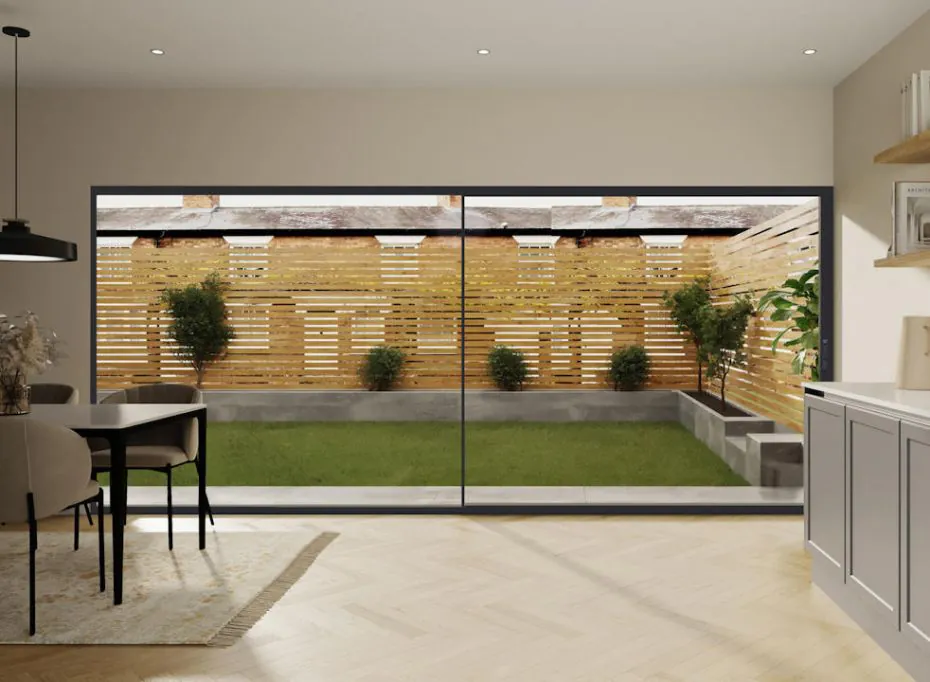
Our COR Vision aluminium sliding doors feature our slimmest sightlines, available in a wide range of sizes suited to all kinds of spaces.
What are the Differences Between uPVC and Aluminium Sliding Doors?
|
Feature |
uPVC Sliding Doors |
Aluminium Sliding Doors |
|
Durability |
Durable for everyday residential use, but can be less resistant to impact and long-term wear than aluminium |
Extremely strong and long-lasting, resistant to warping, corrosion, and harsh weather conditions |
|
Cost |
Generally more affordable, making it a popular choice for budget-conscious homeowners |
Typically more expensive due to material strength, slimmer profiles, and premium appearance |
|
Energy Efficiency |
Excellent natural insulation, helping to reduce heat loss and improve energy ratings |
Very good thermal performance when fitted with modern thermal break technology |
|
Maintenance |
Low maintenance; requires only occasional cleaning and no repainting |
Minimal maintenance; powder-coated finishes are easy to clean and highly durable |
|
Security |
Secure when fitted with modern locking systems, suitable for most homes |
Highly secure due to inherent material strength and advanced locking options |
What Sliding Doors are Best for Traditional and Modern Homes?
Choosing the right sliding doors depends largely on the architectural style of your home, as well as your personal preferences for appearance and performance. Both uPVC and aluminium sliding doors can work well in different settings when selected carefully.
For traditional homes, such as period properties, uPVC sliding doors are often the preferred option. They can be manufactured in a range of colours and finishes that can replicate the look of painted or stained timber, helping them blend seamlessly with more traditional aesthetics. Their slightly thicker frames can also suit the proportions of older properties, while their excellent thermal insulation supports comfort in less energy-efficient buildings.
In contrast, modern homes tend to benefit from the clean lines and minimalist appearance of aluminium sliding doors. They have much slimmer frames and larger glass panels, maximising natural light and creating a seamless transition between indoor and outdoor spaces. This makes aluminium particularly popular in new builds and modern renovations.
Ultimately, the best choice balances architectural style, budget, and performance requirements. Aluminium sliding doors can suit all aesthetic variations, including traditional settings.
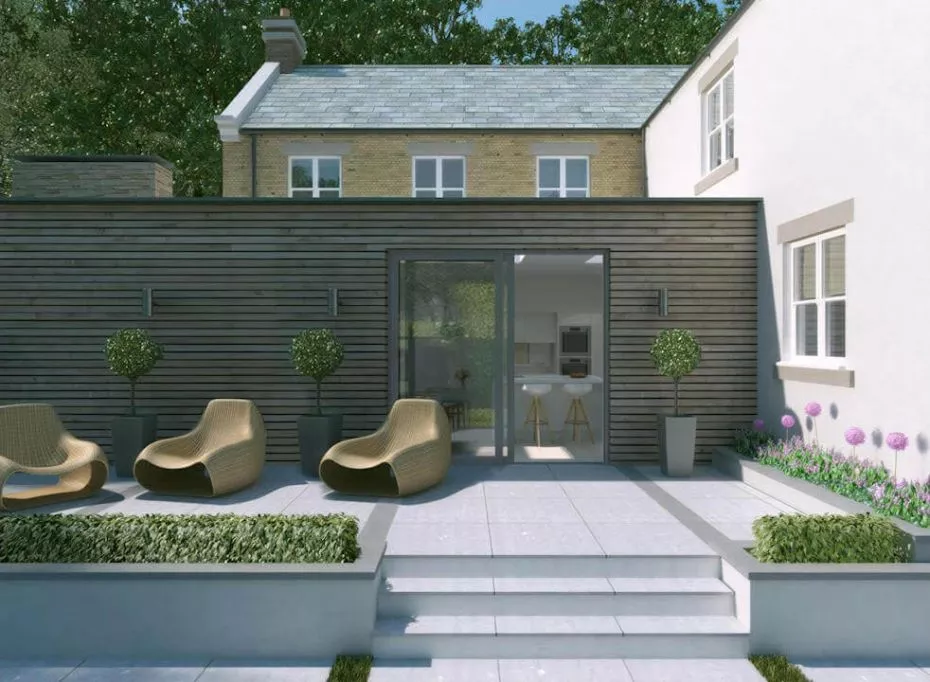
Our Status aluminium lift-and-slide doors, available here 2.7m x 2.1m, is a practical, stylish option perfect for traditional and modern spaces alike.
What is the Better Investment: uPVC or Aluminium Sliding Doors?
When assessing uPVC and aluminium sliding doors as a long-term investment, aluminium options are seen as the stronger choice, particularly for homeowners focused on durability and security.
While uPVC sliding doors benefit from a lower initial cost and good thermal efficiency, they are generally best suited to shorter- to medium-term ownership or tighter budgets. Over time, uPVC frames can show signs of wear, which may affect appearance and longevity.
Aluminium sliding doors, although requiring a higher upfront cost, offer long-term advantages. Aluminium is a strong and stable option, maintaining its shape and performance for decades with little maintenance. This durability reduces the likelihood of replacement costs in the future. In addition, aluminium’s slim profiles and ability to accommodate large glass panels create a modern aesthetic that is highly desirable in today’s property market.
From a performance perspective, modern aluminium systems with thermal break technology deliver excellent energy efficiency, comparable to uPVC. Aluminium sliding doors can enhance a home’s appeal, both visually and functionally, which may contribute positively to resale value.
You can view our full collection of aluminium sliding patio doors here.
Frequently Asked Questions
Which Material is Best for Large Sliding Doors in Homes?
Aluminium is generally the best material for large sliding doors. Its high strength allows for much slimmer frames and larger glass panels without compromising structural stability. This makes aluminium ideal for wide openings, maximising natural light and creating a seamless connection between indoor and outdoor spaces.
Do Aluminium Sliding Doors Require More Maintenance Than uPVC?
No, aluminium sliding doors do not require more maintenance than uPVC. Both materials are low maintenance, but aluminium frames are particularly durable. Powder-coated aluminium finishes resist fading and corrosion, usually requiring nothing more than occasional cleaning with soapy water.
Are There Any Notable Design Differences Affecting Appearances?
Aluminium sliding doors offer a sleek, modern look with slim sightlines and a minimalist finish. uPVC doors tend to have thicker frames and a more traditional appearance, although modern uPVC designs and finishes have improved significantly in recent years.
RELATED CONTENT
About John Collins
John has built Vufold into a unique online door and window company and has spent 20 years bringing innovative products and designs to fruition, recognising niches in the market and placing them in the likes of Wickes and Travis Perkins, he started Vufold in order to sell them directly. John founded Vufold and has amassed a wealth of experience in product design and development, and in particular timber-based products
Read more about John Collins