Steel vs. Aluminium Sliding Patio Doors

Author: John Collins - Managing Director
Share:


Steel and aluminium are popular material choices sliding doors, with robust properties that enhance the security of your home. Aluminium sliding doors have the edge for being a stylish, durable choice, but there are other factors that can affect your decision.
Our guide will highlight the differences between steel and aluminium sliding doors, allowing you to make the best choice that suits your style, preferences and budget.
In this guide:
Discover more about the pros and cons of steel and aluminium sliding doors
If security is important to you, choosing the right sliding door is essential
Modern and traditional homes require different doors to fit in with the existing style
Make the right choice when choosing stylish sliding doors for your home
We answer some common queries
What are the Main Differences Between Steel and Aluminium Sliding Doors?
|
Feature |
Steel Sliding Doors |
Aluminium Sliding Doors |
|
Material Strength |
Extremely strong, allowing for ultra-slim frames and large spans |
Strong and lightweight, suitable for large openings with slightly thicker frames |
|
Frame Appearance |
Very slim sightlines with an industrial or heritage aesthetic |
Slim, clean lines with a modern and versatile appearance |
|
Weight |
Very heavy, requiring reinforced tracks and specialist installation |
Lightweight, making doors easier to operate and install |
|
Cost |
High-end and expensive, typically used in bespoke projects |
Cost High-end and expensive, typically used in bespoke projects More affordable and widely available across the UK market |
|
Corrosion Resistance |
Requires galvanising and protective coatings to prevent rust |
Naturally corrosion-resistant and ideal for the UK climate |
|
Design Flexibility |
Best suited to specific architectural styles |
Highly flexible with a wide range of colours, finishes, and configurations |
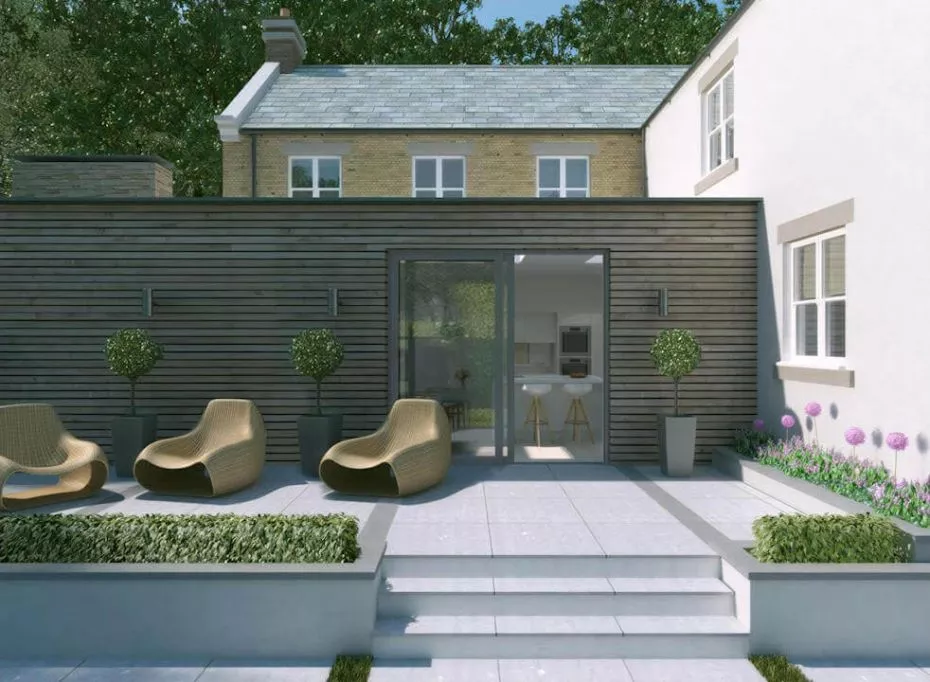
Our Status Lift and Slide patio doors come in a variety of sizes and finishes, and can be custom built to suit your needs.
What is More Durable for Sliding Doors: Steel or Aluminium?
When considering durability, both steel and aluminium sliding doors perform exceptionally well.
Steel is one of the strongest construction materials available. It resists bending and warping better than aluminium, which means steel doors can maintain extremely slim profiles even over large spans. This makes steel particularly durable in terms of structural integrity. However, steel is vulnerable to corrosion if not properly treated. High-quality steel doors are coated to prevent rust, but they still require precise manufacturing and installation.
Aluminium, while not as strong as steel, is naturally resistant to corrosion. It does not rust, making it highly suitable for the UK’s damp climate. Aluminium frames are also less prone to long-term issues caused by moisture. With modern powder-coated finishes and thermal break technology, aluminium sliding doors offer excellent longevity with minimal risk of deterioration.
Overall, steel may be structurally stronger, but aluminium often proves more durable in everyday residential use due to its corrosion resistance and lower maintenance requirements.
Which Material is More Suited to Modern Homes?
Both materials can suit modern homes, but aluminium is generally the more practical and popular choice for contemporary homes.
Aluminium sliding doors are widely specified in new builds and renovations. Their slim frames and ability to support large glass panes align perfectly with modern architectural trends. Aluminium systems are also highly customisable, available in a wide range of finishes and configurations, including corner sliders and lift-and-slide systems.
Steel sliding doors are often chosen for high-end or design-led modern home. The ultra-slim frames and grid patterns can create a striking industrial aesthetic. However, steel doors tend to suit specific design styles rather than general modern housing, and their higher cost can be unattainable for many homeowners.
For most modern homes, aluminium offers the ideal combination of contemporary appearance, performance, and value, while steel is typically reserved for bespoke or luxury projects.
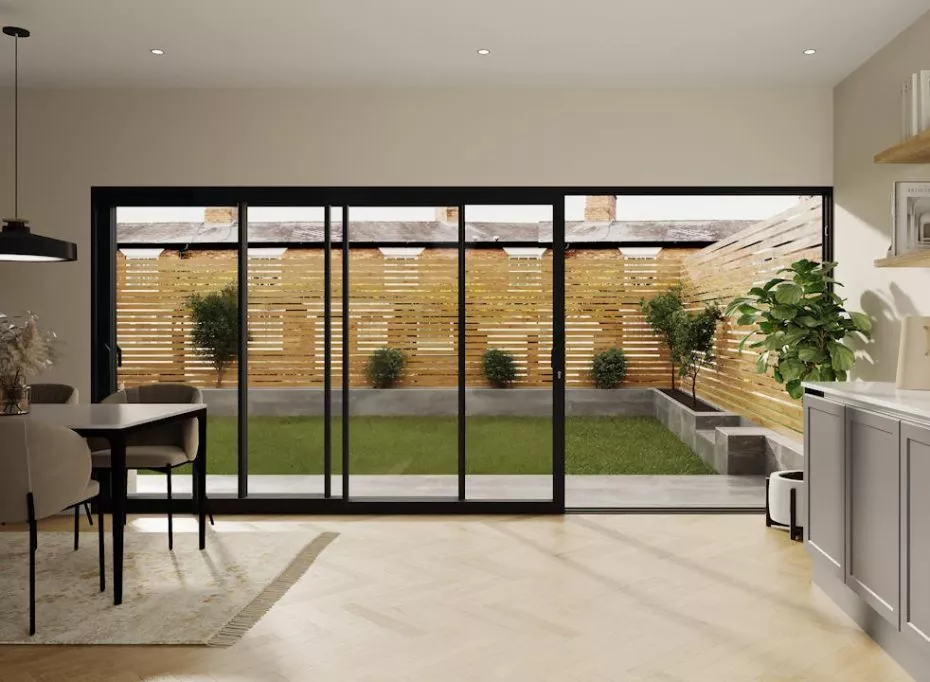
Browse our Supreme aluminium sliding patio doors here.
What are the Pros and Cons of Steel and Aluminium Sliding Doors?
|
Material |
Pros |
Cons |
|
Steel Sliding Doors |
|
|
|
Aluminium Sliding Doors |
|
|
Frequently Asked Questions
Are Steel Sliding Doors More Secure Than Aluminium?
Steel sliding doors are robust, but in practical terms, they are not necessarily more secure than aluminium. Both materials can provide excellent security when fitted with modern multi-point locking systems, toughened or laminated glazing, and quality hardware. Installation quality plays an important part too.
Are Aluminium Sliding Doors More Energy Efficient Than Steel
In most cases, yes. Aluminium sliding doors typically offer better energy efficiency thanks to advanced thermal break technology that reduces heat transfer. Steel frames conduct heat more readily, and although thermally broken steel systems exist, they are usually more expensive and still less efficient than high-quality aluminium systems.
Are Aluminium Sliding Doors Heavier to Operate Than Steel?
No, aluminium sliding doors are generally lighter and easier to operate than steel. Aluminium’s lower weight places less strain on rollers and tracks, resulting in smoother, more effortless movement, particularly on large door panels.
Do Aluminium Sliding Patio Doors Require More Maintenance?
No, aluminium sliding patio doors are very low maintenance. Powder-coated aluminium frames resist corrosion, fading, and peeling, and usually only require occasional cleaning. Steel doors may require more careful upkeep to ensure protective coatings remain intact.
RELATED CONTENT
About John Collins
John has built Vufold into a unique online door and window company and has spent 20 years bringing innovative products and designs to fruition, recognising niches in the market and placing them in the likes of Wickes and Travis Perkins, he started Vufold in order to sell them directly. John founded Vufold and has amassed a wealth of experience in product design and development, and in particular timber-based products
Read more about John Collins