Comparing uPVC and Aluminium Internal Doors

Author: John Collins - Managing Director
Share:


Aluminium internal doors are a popular choice amongst homeowners in the UK, with slim sightlines, unbeatable durability and a premium look. However, uPVC internal doors are a popular choice due to their flexibility and cost, so how do you choose between the two.
Our guide explores how aluminium internal doors compare with uPVC, the main differences between the two, and how much you could be paying.
In this guide:
Find out how aluminium and uPVC internal doors compare to each other
Here are the biggest differences between aluminium and uPVC internal doors
Compare the cost to make the best choice for you
Browse our vast collection here
We answer some common queries
Are Aluminium Internal Doors Better Than uPVC Doors?
Whether or not aluminium internal doors are better than uPVC options depends entirely on your personal preference, and how they stack up against each other when looking at factors such as cost, durability and style. Our table below compares the two materials, and how they can provide the best doors for your home:
|
Factor |
Aluminium internal doors |
uPVC internal doors |
|
Appearance |
Typically have slimmer profiles that work well with contemporary and industrial-style interiors. |
Usually have thicker profiles and a more conventional appearance, although different colours and finishes are available. |
|
Natural light |
The strength of aluminium allows relatively slim frames and larger glazed areas, helping maximise the amount natural light. |
uPVC profiles are generally wider, which can mean slightly less glass and natural light. |
|
Upfront cost |
Usually the more expensive option because aluminium systems tend to sit towards the premium end of the market. |
One of the more affordable frame materials and can be a good choice where budget is the main consideration. |
|
Strength and durability |
Strong and rigid, allowing narrow profiles while remaining resistant to warping. It is particularly well suited to larger glazed doors and high-traffic areas. |
Durable and low-maintenance, but uPVC is less rigid than aluminium and normally requires larger profiles. |
|
Maintenance |
Powder-coated aluminium normally requires little more than routine cleaning, although hinges, tracks and other moving hardware still need occasional maintenance. |
Also very low-maintenance and generally needs just regular cleaning and maintenance of the hardware. |
|
Colours and finishes |
Powder coating provides a wide range of colour possibilities, including bespoke colours on some systems, with a matt finish particularly suited to modern homes. |
Available in a growing choice of colours and wood-effect finishes, although the frame profile remains different from aluminium. |
|
Noise reduction |
Can provide useful separation between rooms, but performance depends heavily on the glass, seals, gaps around the door and overall design rather than aluminium alone. |
The same principle applies to uPVC: glazing, seals and installation are generally more important to acoustic performance than the frame material itself. |
What are the Main Differences Between Aluminium and uPVC Internal Doors?
The main differences between aluminium and uPVC internal doors that homeowners need to consider include
-
Strength: aluminium always comes out on top as one of the strongest materials for door frames. Aluminium can support thin frames and large glass panels, making them perfect for extensions, allowing more natural light into your home for longer. UPVC creates thicker frames, but it can bend or warp under heavy weight or high heat.
-
Appearance: uPVC is the standard choice for an uncomplicated, clean look. It is usually white in colour, with bulkier frames that don’t allow for as much glass space. Aluminium internal doors are a sleek, stylish choice; Heritage internal doors in particular provide an industrial, art-deco-style look that suits more modern premises. Aluminium is also highly customisable, with different finishes available.
-
Cost: for a more budget-friendly option, uPVC internal doors are the better choice. It is one of the cheapest options for door frames, whereas aluminium is more expensive as an upfront cost. However, aluminium frames tend to last much longer, so the initial cost can be seen as an investment into good-quality doors.
-
Environmental Impact: aluminium is a 100% recyclable material and, recycling the material consumes only 5% of the energy needed to produce new metal. Aluminium frames can also last for decades, making it a more sustainable choice, as they need replacing less often than other door materials. Whilst uPVC requires less heat and energy to produce, it is harder to recycle due to the chemical additives. UPVC frames also have a shorter lifespan than aluminium, and need to be replaced more often.
-
Maintenance: aluminium doors are well known for being low maintenance, and only require a wipe with a warm, soapy cloth now and again. Powder-coated finished aluminium frames are also resistant to scratches, so they won’t need touching up as often. UPVC is also incredibly low maintenance, so both materials are quite level in their ability to keep clean.
Aluminium internal doors tick lots of homeowners’ boxes, so why not browse for yourself? View our Heritage internal aluminium door collection here.
How Does the Price of uPVC Internal Doors Compare to Aluminium Internal Doors?
p UPVC internal doors are generally much cheaper to buy and install than aluminium internal doors, as their plastic frames are cheaper to produce. UPVC internal doors can cost less than £1000 to buy and install, depending on the size and type of door you choose. Aluminium internal doors are generally more expensive, but they have a more premium look and can stand proud in your home for years to come.Our Heritage internal aluminium doors are priced as follows:
-
Aluspace Single Doors: £959 for a simple single door to £2,569 for a larger option with sidelights and a fanlight
-
Aluspace French Doors: £1,609 for a smaller option, to £3,039 for larger French doors with sidelights and a fanlight
-
Aluspace Sliding Doors: £1,359 for a simple sliding door, to £2,939 for internal sliding doors with more glass panes
Prices can vary if you add any optional extras, such as locks, or choose to custom build your doors with different size and colour options. Build your bespoke internal aluminium doors here.
What Internal Aluminium Door Options Are Available for Me?
Heritage Aluminium Internal Single Doors
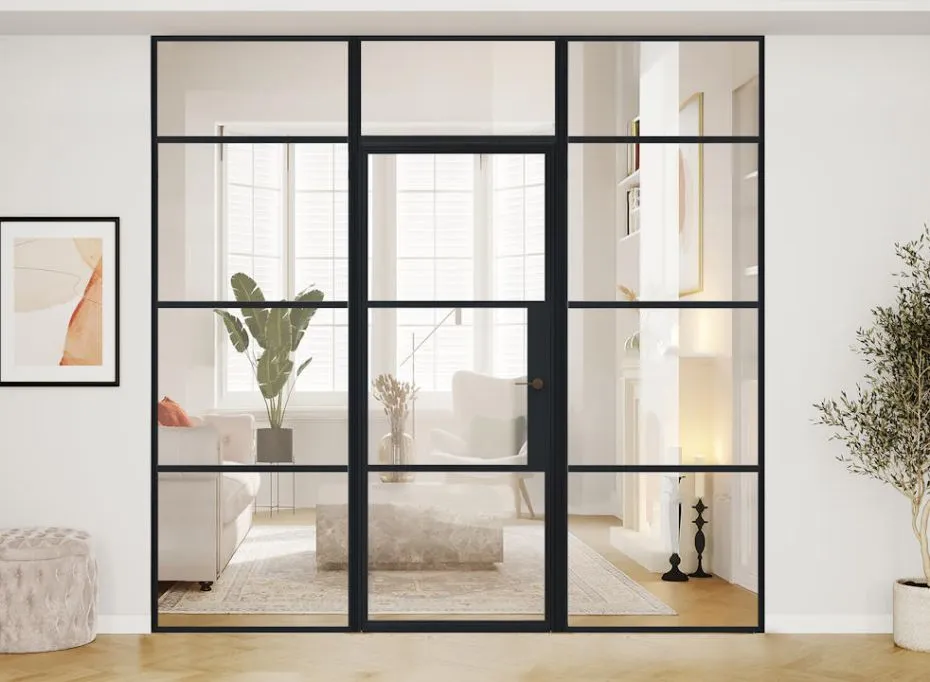
If you want to replace one or various doors in your home to increase light flow and create a more open space, single Heritage aluminium doors are ideal for smaller spaces. Our single doors are easy to install, and come with optional reeded glass and a lock for home offices and gaming rooms. You can add sidelights and a fanlight to create a more open space.
Heritage Aluminium Internal French Doors
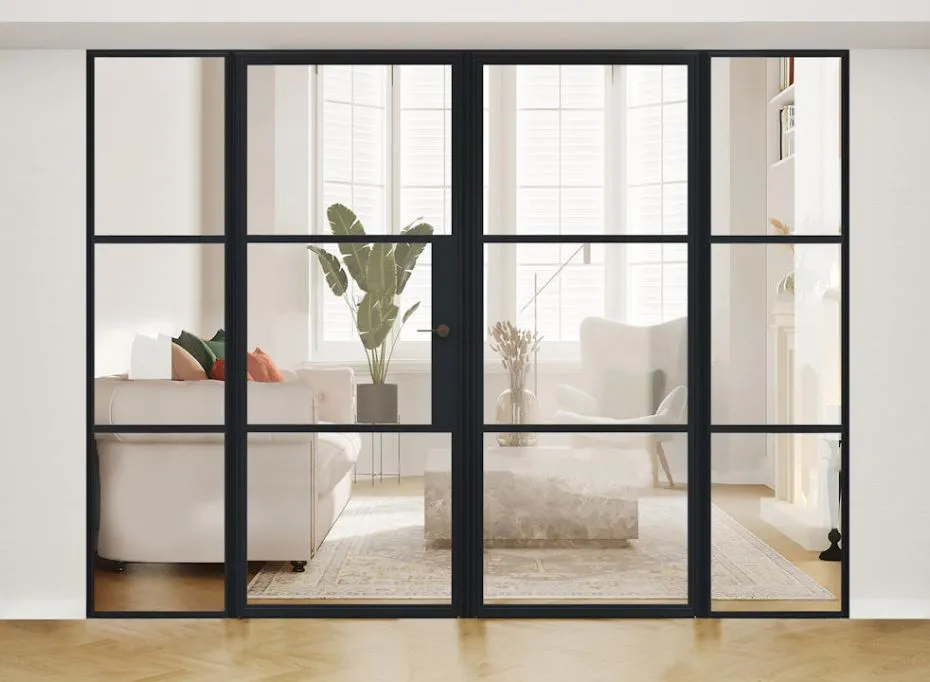
For larger spaces, aluminium internal French doors are a stylish addition to any home, creating an open plan feel and flexible room division whilst incorporating that classic style. Commonly used for home offices, walk-in wardrobes and hallway entrances, Heritage French doors add a traditional touch with a modern twist to all kinds of homes.
Heritage Aluminium Internal Sliding Doors
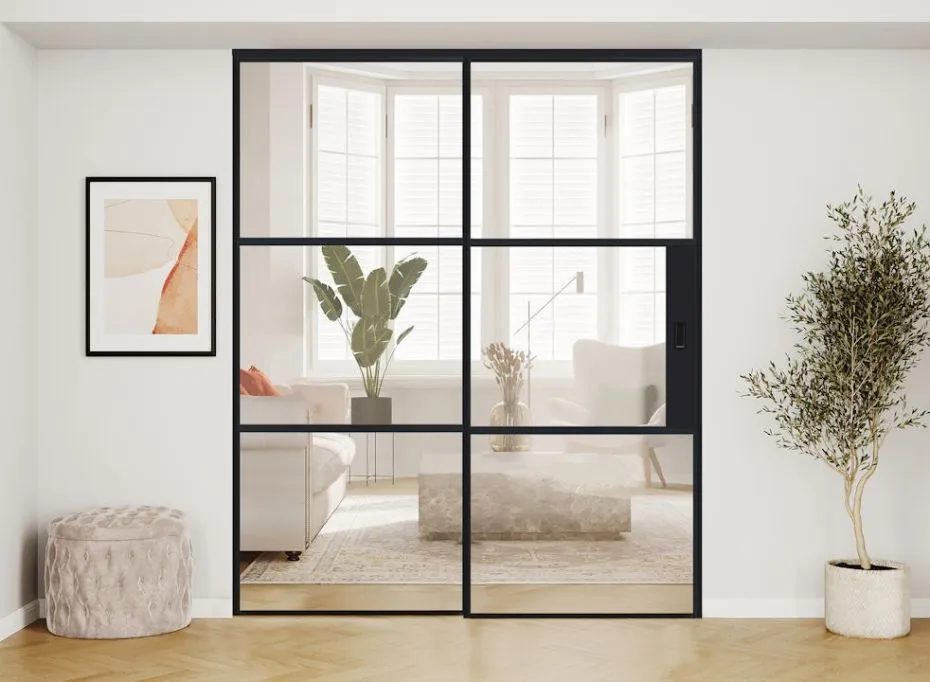
Internal sliding doors are one of the best choices for saving floor space, creating an easy flow between rooms and adding a sleek, stylish touch with their Heritage design. Like single and French doors, internal sliding doors can be used for home offices and wardrobes, but they can also be used as simple yet stylish room dividers, especially between your kitchen/dining room and living rooms.
As well as aluminium internal doors, we also curate wooden doors, such as bifolds and French doors. Browse our full collection of Heritage internal doors here.
Frequently Asked Questions
Which is more durable for an internal door: uPVC or aluminium?
Aluminium is more durable than uPVC for an internal door; it is much stronger, can support heavy weights, and has a much longer lifespan.
Are aluminium internal doors more secure than uPVC?
Aluminium internal doors are much stronger than uPVC, making them more resistant to strong physical force and impact. However, security can also depend on whether a lock has been installed, and whether the glass is security glass.
Do aluminium internal doors offer better longevity compared to uPVC?
Yes, aluminium internal doors offer better longevity than uPVC doors. They can last for around 40+ years, whereas uPVC may only last around 20-30 years.
Is maintenance easier for uPVC internal doors compared to aluminium?
Maintenance is pretty similar for both materials, as they both need very little upkeep. Both frame surfaces just need wiping with a damp cloth every now and again, with moving parts and hinges needing some TLC yearly.
Are there significant environmental impacts when choosing between uPVC and aluminium internal doors?
During the manufacturing process, uPVC produces less heat and energy than aluminium doors, but aluminium doors last much longer, reducing the need for more manufacturing and replacements. Aluminium is also 100% recyclable; around 75% of all aluminium produced is still actively in use!
Which is more suitable for modern home interiors: uPVC or aluminium?
Aluminium is typically more associated with modern homes due to its slim sightlines, stylish appearance and easy customisability.
RELATED CONTENT
About John Collins
John has built Vufold into a unique online door and window company and has spent 20 years bringing innovative products and designs to fruition, recognising niches in the market and placing them in the likes of Wickes and Travis Perkins, he started Vufold in order to sell them directly. John founded Vufold and has amassed a wealth of experience in product design and development, and in particular timber-based products
Read more about John Collins